
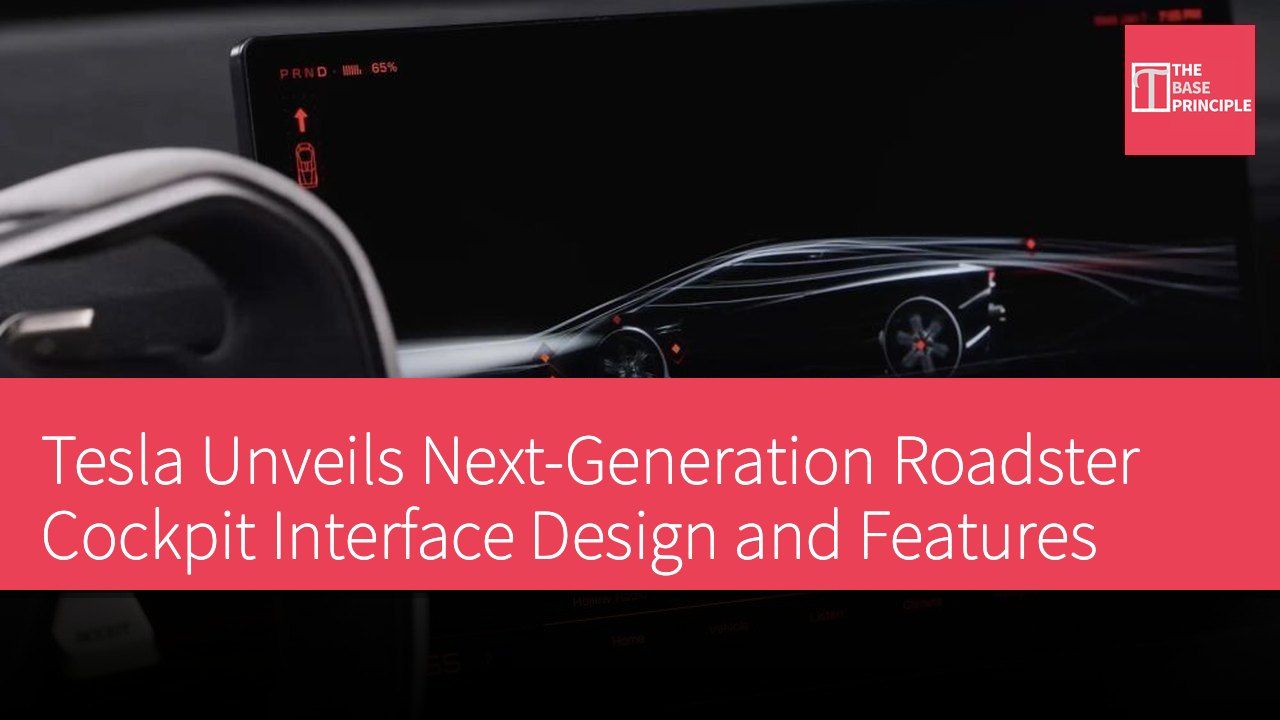
- The cockpit design of Tesla's latest generation Roadster is inspired by fighter jets.
- The video showcases various features of the touchscreen, including track mode and control options.
- The Roadster offers multiple aerodynamic modes to adjust performance.
- Production is set to begin in 2028, with reservations now open for a fee.
Tesla has unveiled the cockpit design of its latest generation Roadster, providing future owners with a clear visual presentation. The company released a 34-second video on the X platform on Friday afternoon, showcasing the vehicle's touchscreen, accompanied by the caption: "Inspired by fighter jet cockpits, the Roadster interface is designed around the driver." The video opens with a black screen and red graphics, displaying a 3D wireframe model next to the Roadster's square steering wheel.
Clicking on different parts of the model reveals control options for the rear wing, including low drag and high downforce positions, as well as a charging page that displays charging limits and a small music player. The bottom menu tabs include home, vehicle, listening, climate control, and navigation.
Cockpit Design and Feature Overview
Most of the video is set in track mode, with the dashboard displaying real-time track maps, lap times, brake and electric motor temperatures, as well as pressure and temperature readings for each tire. The settings page allows drivers to choose between automatic, low drag, high downforce, or custom aerodynamic modes, adjusting aerodynamic balance and brake balance, and disabling stability and traction control. The status bar at the bottom displays "Thruster · 5,500 PSI" and a "Boost Ready" indicator. This dashboard is connected to hardware showcased by Tesla in Waco, Texas.
The thruster and rocket versions utilize cold air thrusters supplied by pressure vessels wrapped in carbon fiber, with Tesla listing their 0 to 60 mph acceleration times as under 0.9 seconds and 0.59 seconds, respectively, as detailed in Teslarati's analysis of the three Roadster configurations.
Performance and Configuration Details
The base performance model relies on fans and a ground seal system for traction, with the aerodynamic settings on the screen aligning with how the Roadster generates downforce through active wings and suction settings. The layout of the Roadster differs from Tesla's other models, placing the vehicle itself at the center of the homepage, in contrast to the map-centered screen design. Tesla's Roadster page also lists two smaller heads-up displays alongside the main touchscreen. Tesla has not disclosed whether telemetry data from track mode will be applied to the Model 3 Performance or other models.
The interface may still change before delivery. Elon Musk stated at the event that production of the Roadster will begin in 2028, while Tesla indicated that the flagship rocket version has not yet received approval for public road use. Reservations are now open, requiring a payment of US$50,000 (approximately HK$390,000), with the thruster version listed as a limited release and the rocket version available by invitation only. Those wishing to see the vehicle in person will have their first opportunity this weekend. According to Sawyer Merritt, the Roadster will be displayed at the Petersen Automotive Museum in Los Angeles from October 24 to 27, marking the public's first chance to view it up close.
Significance of the Roadster Cockpit Design
Tesla's Roadster cockpit design not only incorporates elements from fighter jets but also emphasizes the needs of the driver, which is particularly important in the high-performance electric vehicle market. Through an intuitive touchscreen and diverse aerodynamic modes, drivers can make real-time adjustments to vehicle performance, which is crucial for track driving. Additionally, the Roadster's production plans and its limited edition marketing strategy demonstrate Tesla's focus on brand image and the high-end market, potentially attracting more consumers seeking performance and technology.