
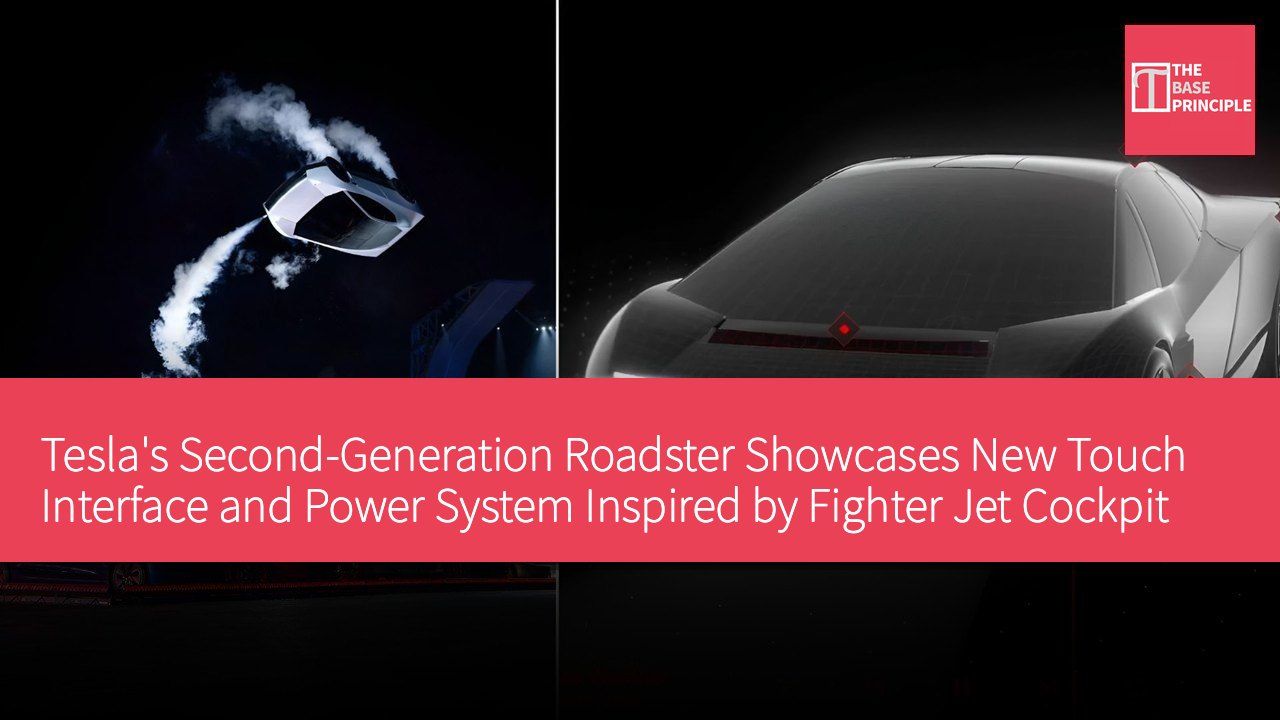
- The cockpit interface of the second-generation Roadster is inspired by fighter jet design.
- The touch screen integrates multiple functions for easy driver operation.
- The vehicle offers four driving modes to meet different needs.
- The display shows lap times and segment statistics, enhancing track performance data.
Tesla's second-generation Roadster combines ambitious performance hardware with a cockpit interface designed for driving data. A video released during the company's October event provides a detailed introduction to the touch screen, demonstrating how drivers can control the electric sports car's adjustable aerodynamics and track-focused systems. The display features a dark interface with red and white graphics, inspired by the screens of fighter jet cockpits. Its layout places key vehicle information within easy reach. A small display at the bottom of the windshield shows speed and lap time data, helping drivers maintain focus without diverting their gaze for long periods.
Production is still scheduled for 2028, giving Tesla time to refine the software. However, the video has already showcased how the automaker plans to integrate the Roadster's dedicated hardware with digital controls.
Cockpit Design and Features
The cockpit touch screen, designed for drivers, organizes its main functions under five tabs: Home, Vehicle, Listen, Climate, and Navigate. This familiar layout should help existing Tesla owners quickly find everyday controls without needing to learn a completely new interface. The Home tab displays a 3D wireframe model of the Roadster, allowing drivers to zoom in on its mechanical components, which are presented in gold metal. This visualization also showcases hardware such as the suspension system and thrusters.
The Roadster's interface is inspired by fighter jet cockpits, designed around the needs of the driver.
Touch controls allow drivers to adjust the rear wing, hood vents, and exterior lights. The display also provides access to battery information and charging limits. Above the main navigation bar is a compact music strip. This design is not just about aesthetics; Tesla describes this interface as fundamentally different from its previous systems, emphasizing the specific needs of the Roadster. A light mode offers an alternative to the primary dark display, although both retain the same basic layout.
Diverse Driving Mode Options
The Vehicle tab provides drivers with four modes: Comfort, Balance, Sport, and Custom. Each mode offers different adjustments to the vehicle's driving characteristics, while Custom provides more detailed tuning options. Drivers can modify acceleration response, suspension stiffness, and ride height. Additional control settings cover aerodynamic components, including the front and rear wings. This flexibility may help owners adjust the vehicle for road driving or track events. Track mode takes this further, bringing the interface into a more professional realm.
The display shows lap times, segment statistics, and track maps, integrating vehicle data to provide drivers with information about closed-course performance.
The steering wheel adds another layer of control, with buttons that include functions for turn signals, acceleration, and drag reduction systems, reducing the need to navigate touch screen menus during high-intensity driving. Tesla also showcased a thruster pressure gauge with a reading of 5,500 PSI, along with an acceleration readiness indicator. This display connects the Roadster's unique propulsion hardware with the same digital environment used for traditional vehicle setups. The remaining tabs focus on everyday functions. The Listen tab displays album artwork and playback information, while the Climate tab shows cabin airflow and seat temperature.
The Navigate tab provides a map interface for the vehicle.
Tesla has also added an amusing detail to the rearview display. An animated hedgehog appears to walk across the lane and then waves at the driver. This small Easter egg adds personality to an interface focused on performance data. The production version may still differ from the vehicle showcased during the event. Tesla has time to adjust the layout and features before production is planned to begin in 2028.
Item Specification Battery Capacity 5500 PSI
How Tesla Enhances the Driving Experience
The new touch interface of Tesla's second-generation Roadster emphasizes the needs of the driver, combining elements of fighter jet design to enhance intuitiveness and safety. With a streamlined functional layout, drivers can quickly find the controls they need, which is particularly important during high-intensity driving. Additionally, the diverse driving modes offered by the Roadster allow drivers to adjust vehicle performance based on different situations, demonstrating Tesla's commitment to performance and user experience in the electric sports car market.