
Key points
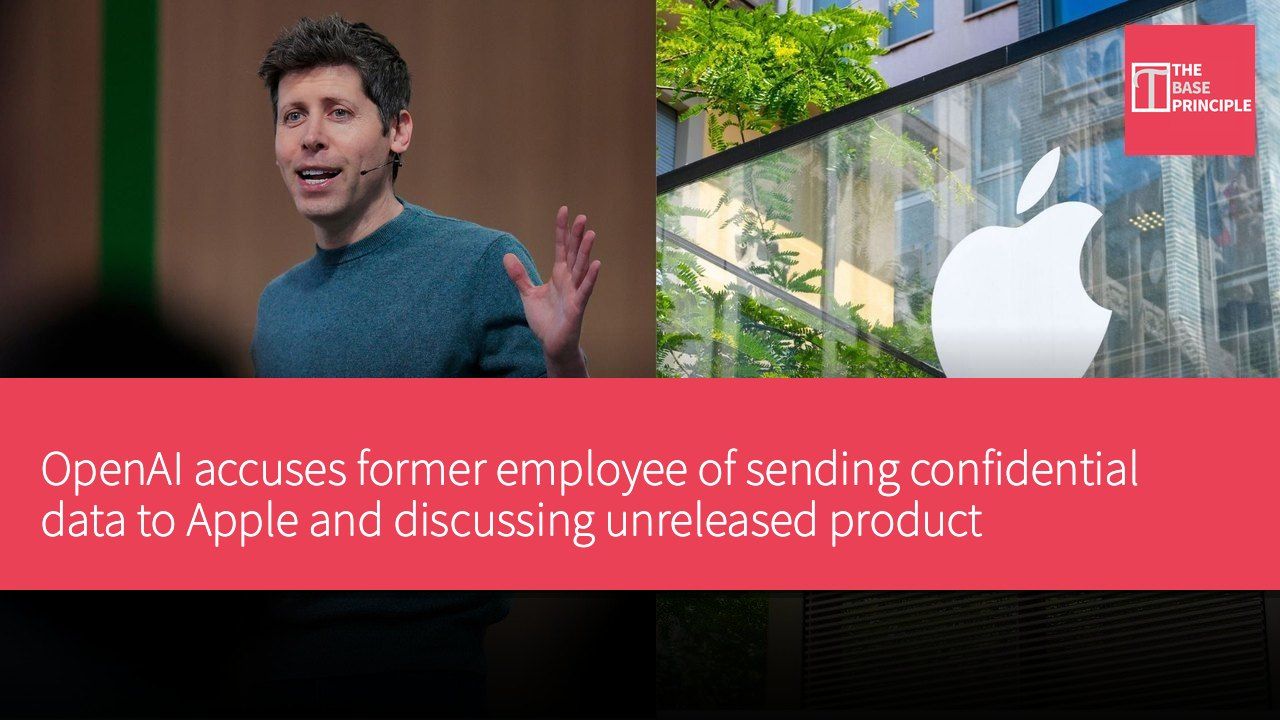
- OpenAI accuses former employee of sending confidential data to Apple, involving roughly 100 files.
- Apple rejects OpenAI's allegations and claims no supporting evidence was found.
- The dispute involves legal controversy between the two companies over hiring and confidential information.
- The court has approved Apple's access to OpenAI hiring records for further investigation.
Apple rebuts OpenAI allegations
According to a Reuters report, the filing was submitted in San Jose, California. OpenAI alleges the presentation occurred several months ago and says Apple's recently released Home View product has heightened its concerns. The company warns that confidential material may already be circulating among Apple's engineering teams. "We are deeply concerned that its trade secrets and confidential information are now circulating inside Apple," OpenAI said. The filing argues that access to the information could give Apple engineers deeper insight into OpenAI's upcoming products. However, the allegations do not prove that Apple used any allegedly misappropriated material to develop Home View. Apple rejected OpenAI's allegations. The company said it maintains procedures to prevent new employees from using a former employer's confidential information. Apple also said it found no evidence supporting OpenAI's claims. Neither the product demonstration nor the alleged file transfer has been independently proven to constitute trade-secret infringement by Apple. The dispute will require both sides to substantiate their competing claims through legal proceedings.Implications of the legal proceedings
The new allegations intersect with a lawsuit Apple filed against OpenAI in July. Apple accused former employees of taking proprietary information from the iPhone maker to OpenAI's consumer hardware division. OpenAI denied those allegations. Apple alleged that some departing employees used company laptops to download confidential files and brought undisclosed technical knowledge to their new roles. The dispute also involves how OpenAI recruited former Apple employees to join its consumer hardware and robotics teams. Apple claims that some newly hired employees received guidance during interviews on presenting information about their prior work. A federal judge has approved Apple's expedited access to certain OpenAI hiring records. Those materials include interview guides, technical presentations, and documents that may reveal discussions about Apple technology or components. U.S. District Judge Edward Davila also agreed to depose three former Apple employees, including OpenAI chief hardware officer Tang Yew Tan, and employees Chang Liu and Alyssa Peng. OpenAI's hardware ambitions help explain why the dispute extends beyond employee departures. The company is developing a consumer device that, if it becomes the primary way people access software and services, would ultimately compete with smartphones. Apple's legal demands seek information that could clarify whether OpenAI's hiring process involved Apple proprietary technology. However, the judge denied several broader requests, including expedited access to OpenAI's hardware research and development in specific engineering areas. Those denied requests covered topics such as metal finishes and power management. The court also declined to grant Apple broader access to OpenAI's hardware research and information about work performed by former Apple employees after joining OpenAI. These proceedings now place employee mobility, confidential engineering knowledge, and product development under scrutiny. Both companies face the challenge of proving their claims as they compete for talent and pursue new hardware opportunities.Trade-secret disputes among tech companies
The trade-secret dispute between OpenAI and Apple reflects the tech industry's heightened focus on protecting confidential information. As competition between the two companies in hardware development intensifies, such allegations not only affect corporate reputations but could also impact their future product development. The court's rulings will play a critical role in how both companies manage employee mobility and protect trade secrets, and may influence hiring strategies across the industry.H
About the author
Henderson