
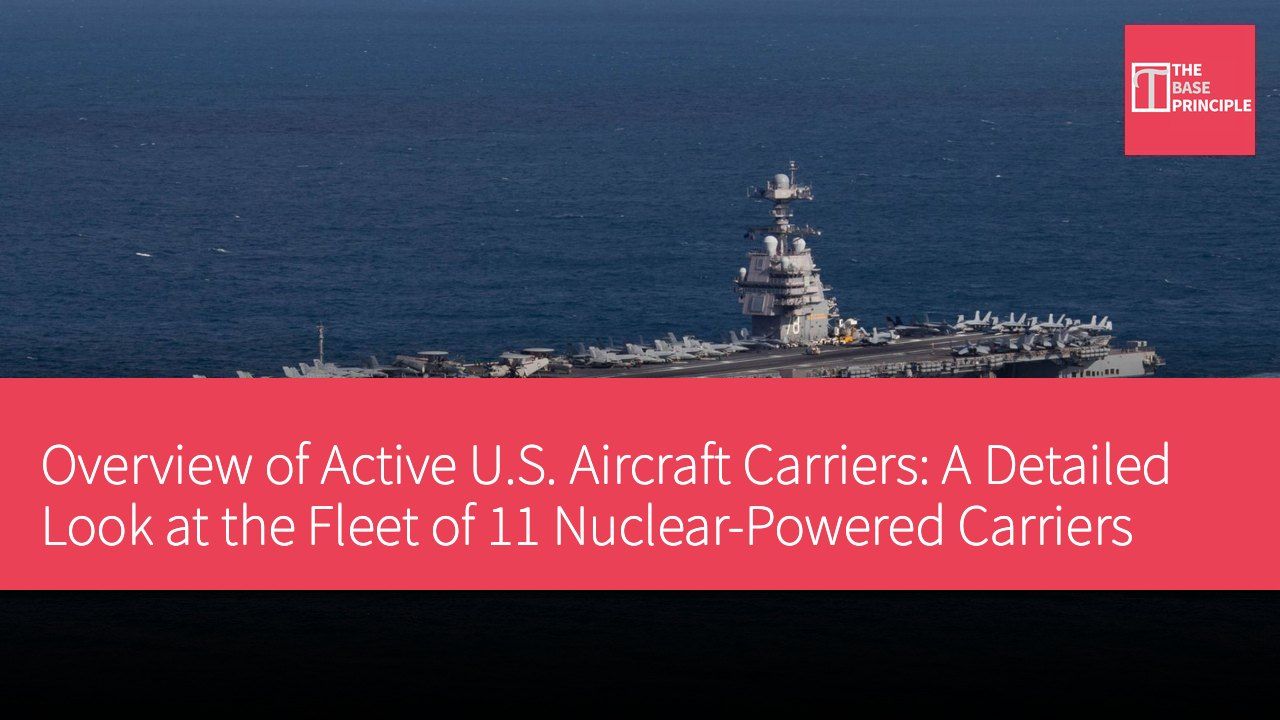
- The U.S. currently has 11 active aircraft carriers, including 10 Nimitz-class and 1 Ford-class.
- The Ford-class carriers introduce electromagnetic catapults, marking a technological advancement.
- The deployment of aircraft carriers is influenced by maintenance, training, and retirement schedules.
- Amphibious assault ships are not included in the count of aircraft carriers.
As of October 2026, the United States has 11 active aircraft carriers. The fleet includes 10 Nimitz-class carriers and 1 Gerald R. Ford-class carrier, all powered by nuclear reactors. However, it is important to clarify that having 11 active aircraft carriers does not mean that the Navy can deploy all 11 simultaneously. Some vessels are undergoing maintenance or extensive overhauls, while others are in training or preparing for deployment. Additionally, this number does not include amphibious assault ships or aircraft carriers that have not yet entered active service. These distinctions are crucial as the Navy prepares to retire its oldest aircraft carriers and add the next vessel to the fleet.
The aircraft carriers currently in service are primarily composed of the Nimitz-class, which includes the following 10 vessels: USS Nimitz, USS Dwight D. Eisenhower, USS Carl Vinson, USS Theodore Roosevelt, USS Abraham Lincoln, USS George Washington, USS John C. Stennis, USS Harry S. Truman, USS Ronald Reagan, and USS George H.W. Bush.
Technological Advancements of the Ford-class Aircraft Carriers
The hull numbers of these vessels are sequentially arranged, ranging from CVN-68 to CVN-77. The CVN designation indicates that it is a nuclear-powered aircraft carrier. The 11th vessel, USS Gerald R. Ford, is designated CVN-78. This ship was officially commissioned in July 2017, marking the next generation of U.S. aircraft carrier technology. Ford-class carriers use electromagnetic catapults to launch aircraft, replacing the steam catapults used on Nimitz-class vessels. Its design also includes new aircraft recovery systems and weapons elevators. Together, these aircraft carriers provide a mobile airbase, enabling the Navy to conduct air operations at sea.
The aircraft onboard perform a variety of missions, including strike operations, air defense, surveillance, and electronic warfare.
Challenges in Aircraft Carrier Deployment
Nuclear power gives these vessels considerable endurance, but they still require resupply. Aviation fuel, food, ammunition, and other supplies must be replenished. As for why all 11 aircraft carriers cannot be deployed simultaneously, active aircraft carriers remain part of the fleet even during maintenance. Therefore, the inventory number only reflects part of the U.S. Navy's air capabilities. Aircraft carriers undergo cycles of deployment, maintenance, and training. Major shipyard work may render a vessel unavailable for combat for years, yet it will not be removed from the active fleet. USS Harry S. Truman is currently an example of this situation.
This ship departed Norfolk on September 30, 2026, heading to Newport News Shipbuilding to begin its refueling and complex overhaul shipyard phase. According to the Navy's announcement, this work includes reactor refueling and extensive modernization, expected to be completed by November 2031.
Another potentially confusing aspect is the Navy's fleet of amphibious assault ships. These vessels have large flight decks capable of operating helicopters, tilt-rotor aircraft, and short takeoff and vertical landing aircraft. However, their primary role is to support the Marine Corps in expeditionary operations. The Navy categorizes them separately as amphibious assault ships, designated LHA or LHD, and they are not included in the count of the 11 aircraft carriers in the CVN fleet.
Regarding whether the number of aircraft carriers will change soon, the transition between USS Nimitz and the future USS John F. Kennedy makes any date concerning the number of aircraft carriers particularly significant. Nimitz was officially commissioned in May 1975 and remains part of the fleet. Although early plans anticipated its retirement in 2026, its service life has been extended to 2027. Meanwhile, John F. Kennedy, designated CVN-79, has not yet joined the active aircraft carrier fleet.
The Navy announced the preliminary acceptance of this ship on September 29, 2026, with formal delivery expected in the spring of 2027. This milestone allows for additional at-sea testing and crew training while the shipbuilder completes testing of remaining systems. This does not mean that the aircraft carrier is in service or ready for deployment. Currently, the answer remains 11 active aircraft carriers. As for how many can be deployed, that is a separate issue influenced by maintenance schedules, training requirements, and the transition between retired vessels and their replacements.
Operations and Challenges of the U.S. Carrier Fleet
The U.S. carrier fleet plays a vital role in global military power; however, the 11 active aircraft carriers do not imply that they can all be deployed simultaneously. Maintenance, training, and retirement schedules limit the actual number of available vessels. The technological advancements of the Ford-class carriers demonstrate the U.S. Navy's ongoing investment and modernization in air combat capabilities, but they also face challenges related to aging vessels and the transition to new ship construction. This situation necessitates careful planning in future deployment strategies to ensure sustained operational capability.