
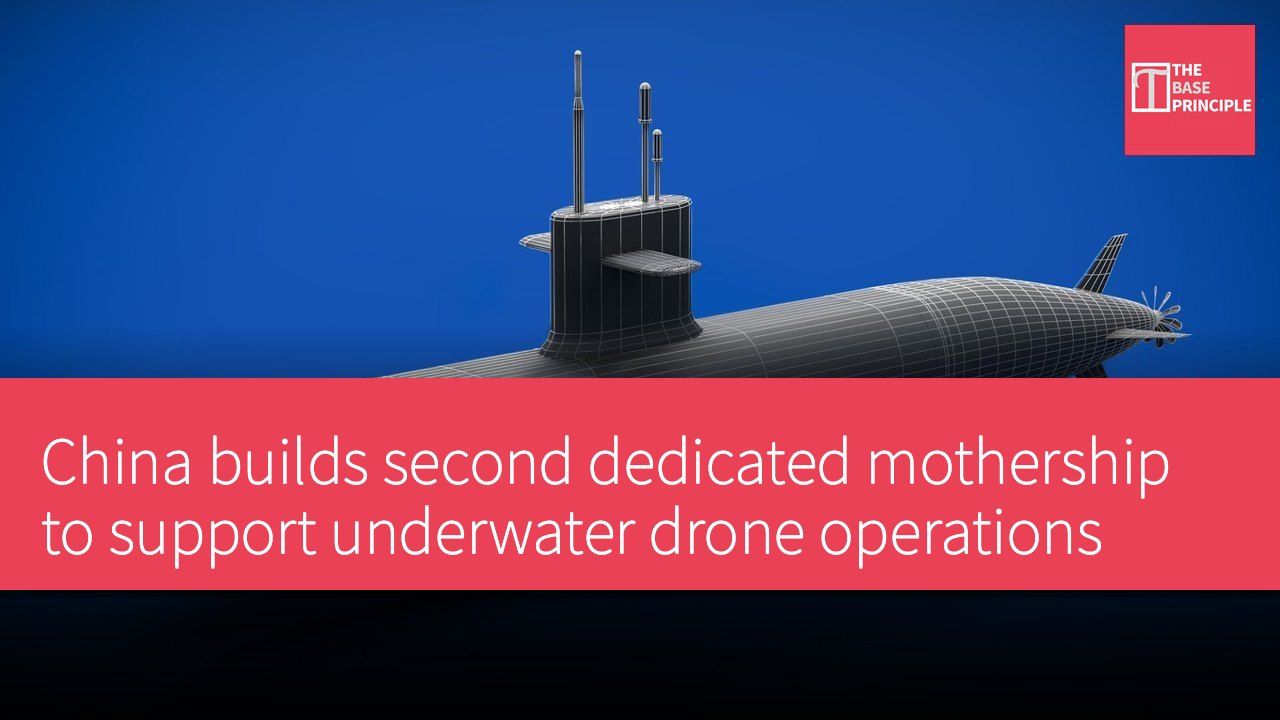
- China has built a second vessel designed for underwater drones.
- The new vessel was constructed at Guangzhou Shipyard and is smaller than the earlier vessel.
- The specific missions and types of underwater vehicles for the vessel have not been confirmed.
- Experts believe that these two vessels may be experimental assets.
China has constructed its second vessel specifically designed to support unmanned underwater vehicle (UUV) operations. The vessel was built at the Guangzhou Shipyard International and is smaller in appearance compared to a similar vessel identified earlier in Shanghai. This vessel shares several design features with its counterpart, including a flight deck, a hangar located behind the forward superstructure, and structures for handling underwater vehicles. The emergence of the second vessel further confirms that China is developing ships specifically for underwater drone operations. However, the specific missions of these vessels and the types of underwater vehicles they will carry have not yet been confirmed.
The construction site of the new vessel was identified at the Changxue Island facility of Guangzhou Shipyard International based on satellite imagery. An image from October 2 showed the vessel emerging from a covered dry dock at the shipyard. The new vessel is equipped with six lifting towers, whereas the Shanghai vessel has six larger towers and six smaller ones. Both vessels feature a stern garage and well deck, which appear designed to assist the movement of underwater vehicles between the vessel and the water surface. At the time the report was published in September, the Shanghai vessel was nearing completion at the Jiangnan Shipyard on Changxing Island, and its design seems capable of accommodating a small number of large underwater vehicles or a larger number of smaller ones.
Vessel Design and Features
The second vessel has a similar overall layout, including the configuration of the flight deck, hangar, and chimney. However, differences in proportions and lifting facilities distinguish it from the Shanghai vessel. The report did not specify the payload capacity of either vessel, nor did it identify the underwater vehicles for which they are designed. Guangzhou Shipyard International is a subsidiary of China Shipbuilding Industry Corporation. Satellite imagery provided the basis for identifying the construction site of the new vessel.
Potential Impact of Underwater Programs
China's underwater programs, including large unmanned underwater vehicles, can perform tasks such as seabed mapping, mine sweeping, and surveillance, and may support operations of submarines and surface vessels. Some UUV designs are capable of carrying additional payloads, including weapons, although the specific payloads for these vessels have not been confirmed. The stern entry arrangements and lifting structures of the vessels suggest they may support the deployment and recovery of underwater vehicles. Their configurations may allow operators to handle different types of UUVs, but the specific capabilities of the vessels remain unclear. Experts emphasize that these two vessels may be experimental assets.
The report mentioned rumors of a larger program involving other vessels with similar capabilities, but it has not been confirmed that more vessels are under construction. If additional vessels are built, it could enhance China's ability to deploy and recover underwater vehicles. However, the scale of any potential plans and the ultimate operational roles of the vessels remain unconfirmed. Currently, the two identified vessels have specialized configurations for handling underwater vehicles, but there are differences in size and lifting equipment. More information regarding their payloads, testing, and deployment will help clarify how China intends to use them.
Trends in the Development of China's Underwater Drone Vessels
China's ongoing investment in underwater drone technology reflects its emphasis on maritime combat capabilities. These vessels can not only perform seabed mapping and surveillance tasks but may also support operations of submarines and surface vessels. While the specific capabilities and payloads of the vessels have not yet been determined, their specialized configurations indicate China's strategic intent in the underwater combat domain. With the potential construction of more vessels, China's underwater combat capabilities could significantly enhance, which would have far-reaching implications for regional security dynamics.