
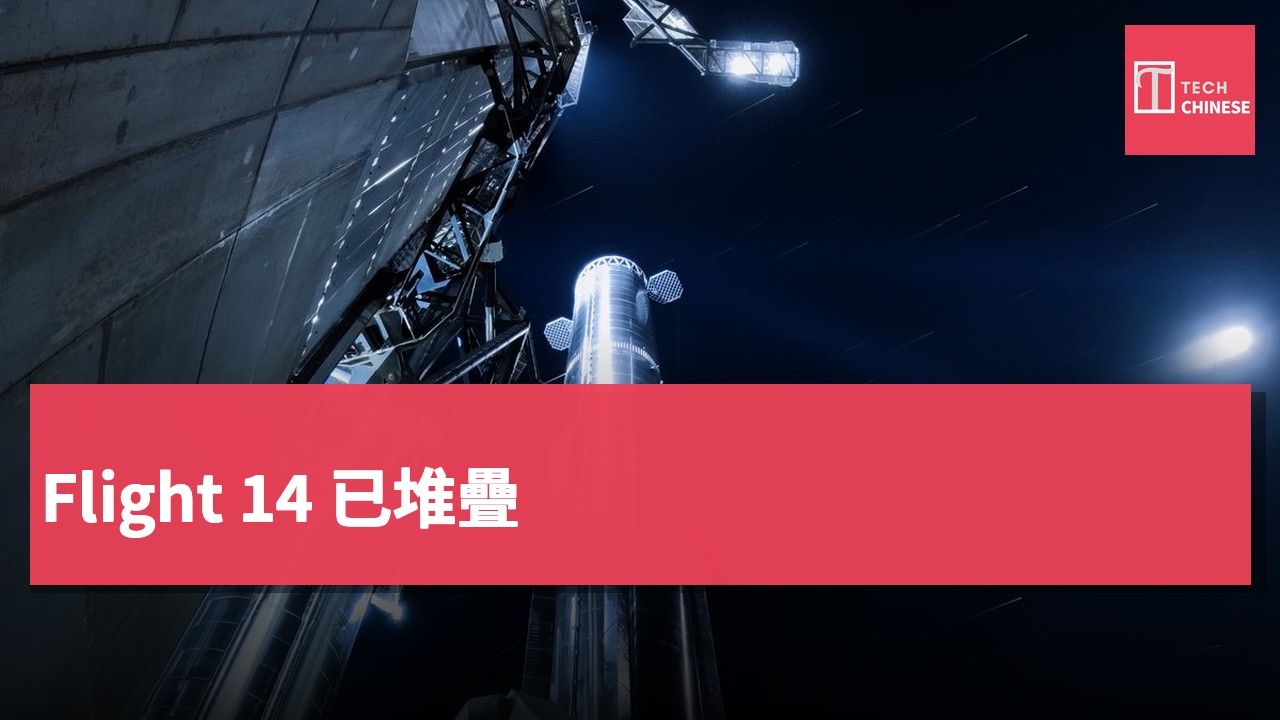
SpaceX has completed the full stack for Starship Flight 14 at Pad 2 in Starbase, Texas: the upper stage Ship 41 has been stacked onto Super Heavy Booster 21. The company posted a public stacking video on X, marking this step as a key assembly milestone prior to orbital flight. Launch remains pending regulatory approval, with the earliest target window set for September 28, 2026.
Stacking Starship ahead of Flight 14
— SpaceX
Booster 21 was already moved into the pad area earlier. Elon Musk later quoted SpaceX's post, stating that the first Starship launch to orbit in seven days will carry Starlink V3 satellites intended for operational use, timing in line with the approximately September 28 window.
In 7 days, the first Starship launch to orbit will be carrying Starlink V3 satellites intended for operational use
— Elon Musk
According to Spaceflight Now's compilation of public footage and timelines, Ship 41 was moved from the production line to the pad area around late September 22 (CDT), and was hoisted onto B21 by the launch tower chopsticks about 5.5 hours later; the stacked height of the full vehicle is approximately 124 meters. If regulatory approval is granted, the earliest window would be around 07:15 CDT (08:15 EDT/1215 UTC), which is roughly around 8 PM Hong Kong Time; the flight duration is about 10 hours, and the plan is to deploy 26 Starlink V3 satellites. The FAA has also set a temporary flight restriction (TFR) for the Starbase area from around September 23 to October 7.
Space.com cited the preparation progress, indicating that a wet dress rehearsal (full vehicle propellant loading exercise) is expected to take place on September 24. The first 13 Starship integrated flights were suborbital in design; if this one successfully reaches orbit, these V3 satellites marked as intended for operational use will have the opportunity to remain in orbit for operational validation, differing from earlier suborbital missions where V3 test payloads were briefly used for communication before re-entering the atmosphere and being destroyed. The launch window and regulatory status may still change, and the current official stance is the target/earliest timeframe.