
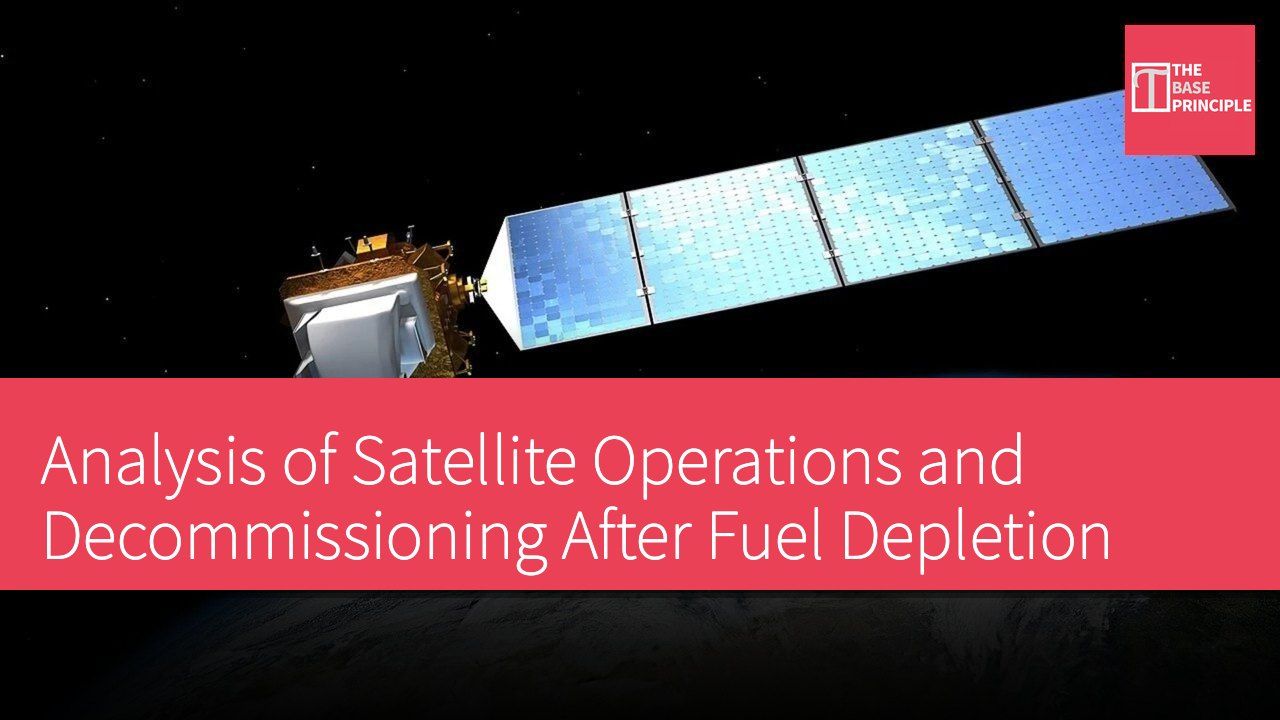
- Satellites can continue to operate after fuel depletion, but cannot perform maneuvers.
- Low Earth orbit satellites are affected by atmospheric drag and may eventually disintegrate.
- Geostationary satellites drift in high altitude and will not quickly return to Earth after losing fuel.
- The decommissioning process must begin before fuel runs out to safely dispose of the satellite.
While running out of fuel may render a car inoperable, satellites can continue to function. Even with an empty fuel tank, a satellite can still orbit the Earth after its useful mission has ended. Fuel allows satellites to adjust their orbits, maintain their positions, and avoid potential collisions. Once the fuel is depleted, the spacecraft may still have power and operational instruments, but it will lose the ability to perform these operations. What happens next largely depends on the altitude and whether the operators have prepared for decommissioning. Some satellites will gradually return to Earth, while others may remain in space for an extended period after ceasing operations.
Fuel is used for maneuvering operations. Satellites do not need to continuously run engines to maintain their orbits. Their forward motion allows them to orbit the Earth, while gravity pulls them toward the planet. Satellites are constantly falling, but their lateral motion is sufficient to prevent them from making contact with the ground. Propellant helps change this motion. Thrusters can raise or lower the orbit, correct the satellite's position, or move it away from predicted collisions. Without available propellant, these options will disappear unless there are other propulsion systems or servicing spacecraft available to assist. However, an empty fuel tank does not automatically shut down electronic equipment.
Most Earth-orbiting satellites derive power from solar panels, with batteries providing power during periods without sunlight. Some satellites can also use electric reaction wheels or magnetic devices to control their orientation. Whether useful operations continue depends on the spacecraft's design and mission requirements.
Impact of Low Earth Orbit
The orbit determines what happens next. In low Earth orbit, satellites encounter trace components of the atmosphere. This creates drag, gradually depleting orbital energy and lowering their altitude. Without propulsion to counteract this drag, the spacecraft may eventually descend into denser atmospheric layers. Heating and aerodynamic forces will lead to disintegration. This process does not have a fixed timeline. Altitude, spacecraft shape, mass, and atmospheric conditions all affect the time required. Solar activity can expand the upper atmosphere, increasing drag. Much of the satellite may burn up during re-entry, although heat-resistant components can survive and reach the ground.
Geostationary satellites operate at a greater altitude, approximately 35,786 kilometers (22,236 miles) above the equator. There, atmospheric drag is negligible, so losing fuel does not quickly send them back to Earth. Instead, they can drift in space, away from their designated positions.
Importance of the Decommissioning Process
The decommissioning process begins before fuel depletion. Waiting until the tank is empty may prevent operators from safely disposing of the satellite. For spacecraft closer to Earth, controllers can use remaining propellant to lower the orbit and accelerate re-entry. Some missions can precisely target remote ocean areas for controlled descent. Geostationary satellites are typically raised to a graveyard orbit above the operational area. This also requires fuel, which must be reserved before regular operations deplete the supply. Operators then safely discharge stored energy through a process known as "passivation." This may involve releasing residual propellant, venting, and discharging or disconnecting battery connections to reduce the risk of accidental explosions.
If a satellite loses maneuverability before decommissioning, it may become a persistent collision hazard. Its mission may have ended, but other spacecraft still need to share the space.
Item Specification Processor Unknown Battery Capacity Unknown
Challenges and Risks of Satellite Decommissioning
As satellite fuel depletes, its operational status and decommissioning process become critical. Low Earth orbit satellites face challenges from atmospheric drag, which not only affects their lifespan but may also lead to disintegration, posing a threat to other spacecraft. Additionally, geostationary satellites floating at high altitudes do not quickly return after losing fuel, complicating decommissioning plans. Operators must begin the decommissioning procedure before fuel depletion to safely dispose of the satellite and avoid potential collision risks, which is essential for maintaining the safety of the space environment.