
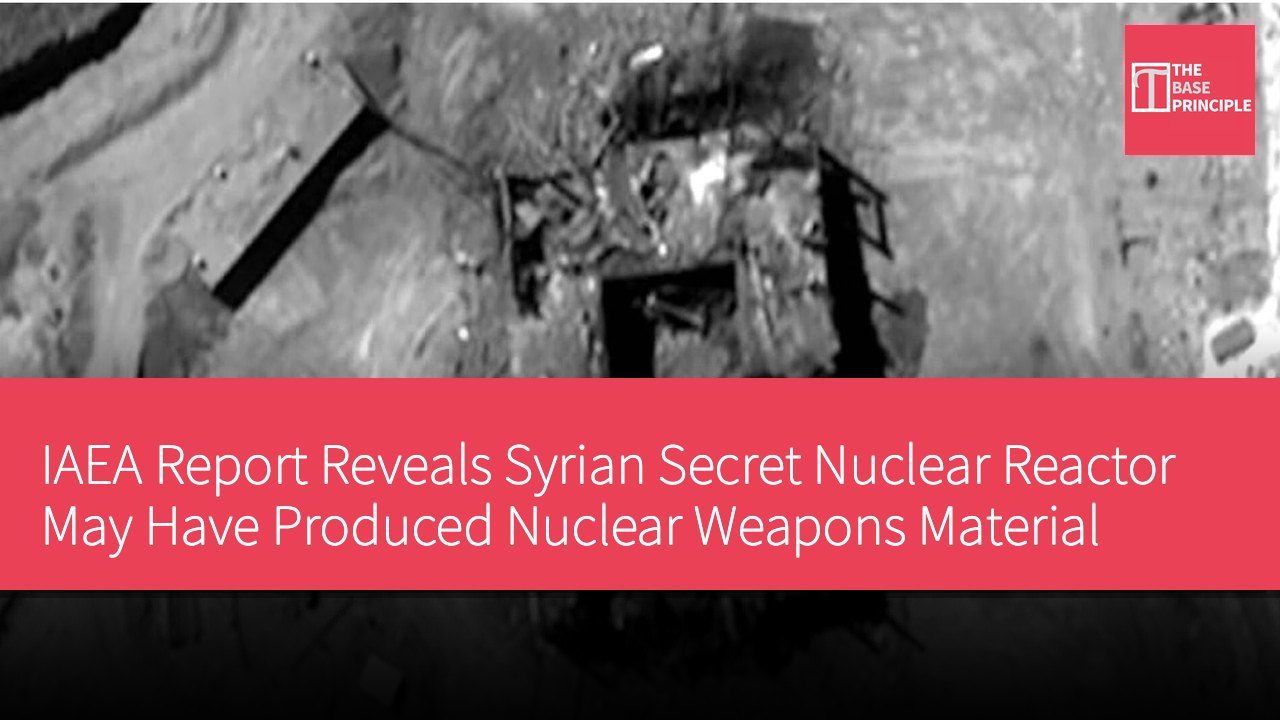
- IAEA assesses Syrian nuclear reactor may have produced nuclear weapons material.
- The reactor's design indicates its efficiency in producing nuclear weapons material.
- IAEA confirms presence of natural uranium metal fuel rods at new location.
- Transport of material requires robust security measures to prevent theft.
International Atomic Energy Agency (IAEA) Director General Rafael Grossi has stated that a nearly complete nuclear reactor secretly built by former Syrian leader Bashar al-Assad may have produced fissionable material usable in nuclear weapons. This assessment follows IAEA inspections of two locations in Syria last month, including one in Deir ez-Zor and another location first disclosed by Syrian authorities. The inspections were conducted after Assad was ousted in December 2024, with the new government agreeing to provide the IAEA access to suspected former nuclear facilities.
IAEA Inspections of Syrian Nuclear Facilities
According to Grossi, the reactor's design and technical features suggest it may have been used to produce material suitable for nuclear weapons. He stated, "Based on the configuration and the technical characteristics of this type of reactor, this is a reactor that is very efficient in producing fissionable material for the manufacture of nuclear weapons." He added that building the reactor was "a very important step." Grossi also noted, "Obviously, the former government was engaged in a series of covert activities. They did not want the world to know what they were doing." He made these remarks to reporters in Vienna after attending the IAEA's quarterly Board of Governors meeting.
During the August visit, IAEA inspectors confirmed that "the now-revealed cooling infrastructure is consistent with that of a nuclear reactor." Israel admitted in 2018 to having carried out an airstrike on the location in 2007. In 2008, US officials accused Syria of attempting to build a secret nuclear reactor and acknowledged that Israel had destroyed the facility.
On July 17, Syrian authorities notified the IAEA of a second location in a letter and invited the agency to inspect and verify any potential nuclear material present. According to the IAEA report issued to member states, the location contains "natural uranium metal fuel rods in the form of cladding." Inspectors verified the material and confirmed "approximately 73 metric tons (80 US tons) of natural uranium metal." Grossi stated that inspectors had to "break through walls" and navigate "very difficult and narrow passages" to reach the hidden material, noting that the location was strewn with many boxes.
Security Monitoring of Uranium Material
According to Grossi, the uranium material is currently under IAEA monitoring, with inspectors having installed cameras at the location. He emphasized, "It is important that this material is now under IAEA safeguards." According to Grossi, whether the uranium remains in Syria or is removed will be decided by the Syrian government. Logan Mintz, Director of the Nuclear Material Security Program at the Nuclear Threat Initiative, stated that natural uranium metal is not directly usable in nuclear weapons but can be "diverted to a covert weapons program and further processed into plutonium for use in nuclear weapons."
Mintz revealed that any transport of the material will require "robust security measures to prevent theft or sabotage." These developments are the latest in the IAEA's ongoing verification of Syria's past nuclear activities, with the agency continuing to monitor the country's former nuclear facilities.
Potential Threats and Monitoring Challenges of Syrian Nuclear Material
The design of Syria's nuclear reactor, which shows its potential use in producing nuclear weapons material, has raised significant international concern. The IAEA's inspection results have revealed the presence of uranium material at the site and underscored the importance of securing nuclear materials. While natural uranium metal is not directly usable in nuclear weapons, its potential for conversion cannot be ignored. As the political situation in Syria evolves, the IAEA's monitoring role becomes even more critical to ensure these materials are not diverted to covert weapons programs and to prevent potential nuclear proliferation risks.