
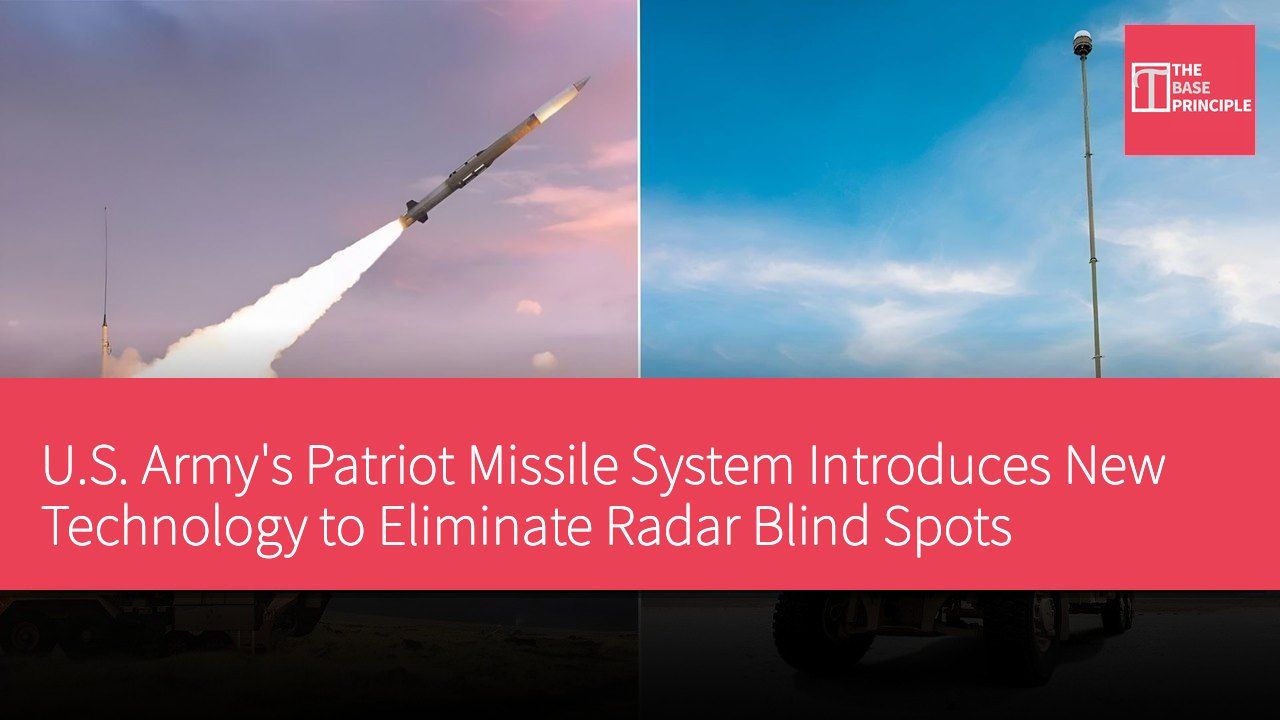
- The Patriot missile system introduces new technology to eliminate radar blind spots.
- The RIG-360 program has completed multiple flight tests and development milestones.
- The system enhances the pairing flexibility between missiles and radar.
- A rapid testing timeline aids in the timely delivery of technology.
The U.S. Army's Patriot missile defense system is gradually eliminating radar blind spots, thanks to new communication technology developed by Lockheed Martin. The Remote Interceptor Guidance 360 (RIG-360) program has achieved significant flight tests and multiple development milestones in just a few months. The system allows PAC-3 missiles to communicate in a 360-degree range. This capability will assist the Army in connecting interceptors with the most suitable radar during combat.
The program has also demonstrated development progress ahead of scheduled delivery milestones. Modern air defense relies on coordination between sensors and interceptors. Radar systems detect incoming threats and provide information to assist defensive missiles in targeting. However, limitations in communication geometry can result in gaps when missiles receive information from battlefield sensors. RIG-360 addresses this challenge through dedicated missile communication equipment, enabling the PAC-3 missile series to receive communications from various directions during flight.
New Technology Enhances Missile Flexibility
The system also helps the Army pair missiles with the optimal radar, even if the sensor is located outside conventional communication angles. This flexibility is crucial on battlefields where threats may come from different directions. Air defense units may need to combine information from multiple sensors to maintain accurate tracking of incoming aircraft or missiles. More flexible communication can help commanders better utilize available radar coverage.
Lockheed Martin designed this technology to support the PAC-3's operations, adapting to changing battlefield conditions and threat directions. The company stated that the system is critical for the successful operation of missiles during flight.
The RIG-360 team completed three captive carry tests before conducting the first development flight test. These early tests helped engineers assess the system before entering actual missile flight. During the captive carry tests, engineers could evaluate the equipment carried by the aircraft before proceeding to more challenging flight demonstrations. These tests provided opportunities to check system performance under flight conditions and identify potential issues before missile launch.
Significant Development Flight Tests
Development flight tests mark an important step as the RIG-360 system communicated with the PAC-3 missile during flight. This test also met the system's maximum range requirements. Completing the flight tests a few weeks after the captive carry events demonstrates the program's rapid progress within the testing sequence. The team also completed a critical design review, another milestone in preparing the technology for delivery.
RIG-360 achieved these three major program milestones within a few months. This progress was made about a year after the program received initial funding for engineering, manufacturing, and development phases.
The rapid testing timeline may help Lockheed Martin prepare for the U.S. Army's planned delivery and troop deployment dates. The company stated that the program is ahead of schedule, although specific delivery dates have not yet been disclosed in announcements. Lockheed Martin's Vice President and General Manager of Integrated Air and Missile Defense, Jason Reynolds, described RIG-360 as critical to the operation and flight performance of the PAC-3. He also mentioned that the team aims to deliver this technology ahead of schedule.
Reynolds referred to the system as a significant advancement for the PAC-3 missile series. The importance of the technology extends beyond the completion of individual development milestones. Missile defense systems must coordinate sensors, communication equipment, and interceptors within urgent operational timelines.
Strategic Significance of RIG-360 Technology
The introduction of RIG-360 technology is crucial for the U.S. Army's Patriot missile system, as it eliminates blind spots in traditional radar communication. This not only enhances missile flexibility but also enables effective responses to threats from various directions in a dynamic battlefield environment. With testing progress ahead of schedule, Lockheed Martin is able to prepare for faster delivery, which holds significant strategic importance for enhancing the U.S. air defense capabilities.