
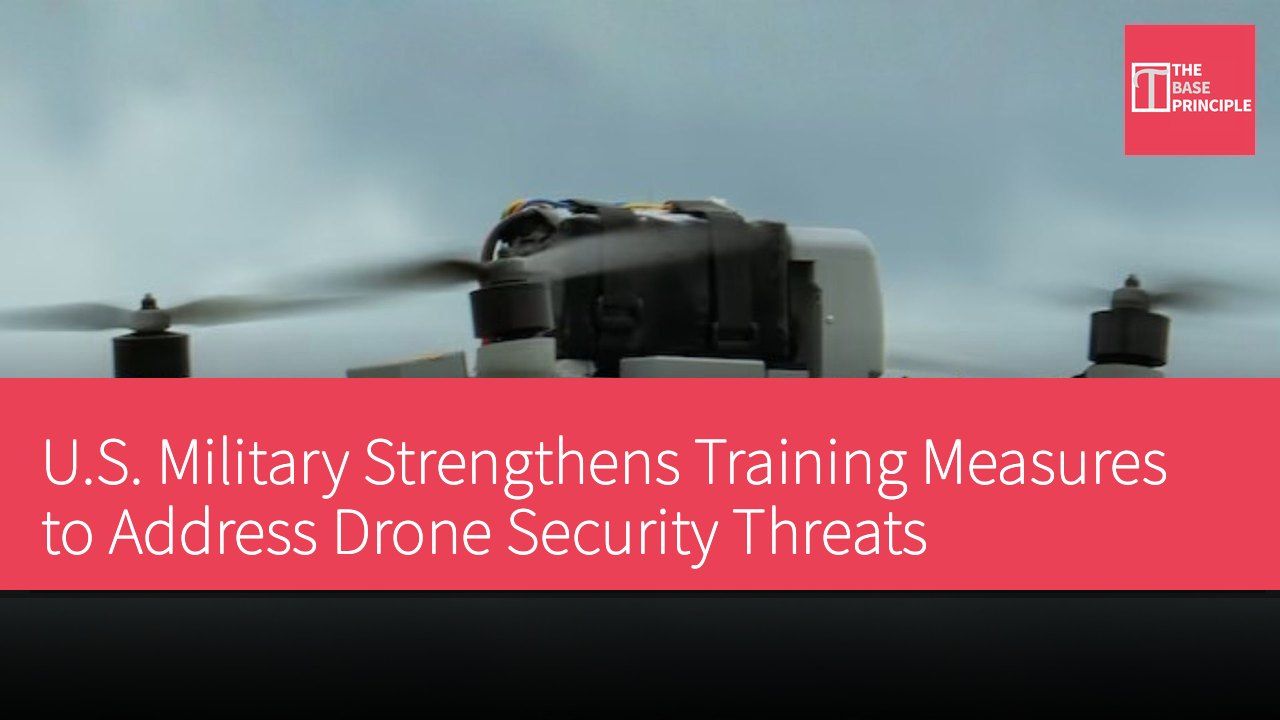
- The U.S. military is enhancing preparedness for drone security risks through practical training.
- The technologies used in the exercise provided multiple interception options, enhancing operator capabilities.
- The importance of combining advanced equipment with practical training to address drone threats was emphasized.
- JIATF 401 promotes collaboration with military and law enforcement agencies to enhance defense capabilities.
The U.S. military is enhancing its preparedness for drone-related security risks by bringing together military personnel and federal law enforcement agents for practical training. Last month, the Joint Interagency Task Force 401 (JIATF 401) conducted a counter-drone exercise at MacDill Air Force Base in Florida. This training involved members of the 6th Security Forces Squadron and agents from the United States Secret Service, focusing on improving participants' ability to defend critical facilities and infrastructure against evolving drone threats. The exercise also provided participants with hands-on experience with emerging counter-drone systems, including the Bumblebee V2 interceptor and the Paladin counter-drone system.
These technologies were applied in real-world training activities, allowing operators to become more familiar with their capabilities and usage.
Application of Technologies in the Exercise
Both systems provide different interception options. The Bumblebee V2 utilizes advanced target recognition to help operators identify and intercept hostile drones through direct collision, while the Paladin system employs network-based interceptors. Reports indicate that this approach offers an alternative low-collateral-damage option to defeat aerial threats. The use of multiple systems reflects the need for diverse capabilities when responding to drone activities. The technologies used in this exercise provided operators with alternative interception options rather than relying on a single method. Additionally, the training allowed the task force to collaborate directly with professionals responsible for protecting facilities and infrastructure.
Army Major Jeremy Kelly, the assistant capability manager for JIATF 401, noted that putting new technologies into the hands of operators is only part of the solution. He explained that training alongside professionals in defense facilities helps refine these capabilities and develop the skills needed for their effective use. His comments underscore the importance of combining advanced equipment with practical training.
Emphasizing Multi-Layered Defense Capabilities
Army Brigadier General Matthew Ross, the director of JIATF 401, vividly compared multi-layered counter-drone capabilities to a golfer choosing different clubs for various shots. He pointed out that protecting the homeland requires a range of options, especially as threats continue to evolve. He stated that agencies must expand their capabilities to defeat drones while minimizing risks to personnel and infrastructure. He also emphasized the value of training with joint and interagency partners to enhance drone system capabilities and improve homeland defense.
The MacDill exercise builds on earlier training with the 82nd Airborne Division and the 75th Ranger Regiment by JIATF 401. Through collaboration with these units, as well as the 6th Security Forces Squadron and Secret Service agents, the task force is expanding joint forces' proficiency in counter-drone operations and strengthening partnerships that support homeland defense. Air Force Sergeant Cameron Thompson, a defender from the 6th Security Forces Squadron, confidently stated the facility's protective arrangements. "Our airspace is secure," he said. He added that this multi-layered defense is designed to prevent any incursions and intercept any attempts to breach the airspace.
This exercise highlighted JIATF 401's efforts to combine emerging counter-drone technologies, practical training, and collaboration with military and federal law enforcement partners. The broader goal is to enhance its capability to respond to evolving drone threats and protect critical facilities and infrastructure.
Evolving Defense Strategies Against Drone Threats
As drone technology rapidly advances, the security threats faced by the military are increasing. This exercise not only demonstrated the practicality of emerging counter-drone systems but also emphasized the importance of diverse interception options for effective defense. Through collaborative training with professionals, operators are better equipped to master these technologies, thereby enhancing overall defense capabilities. This interagency collaborative model is significant for addressing future drone threats, ensuring national security and the protection of infrastructure.