
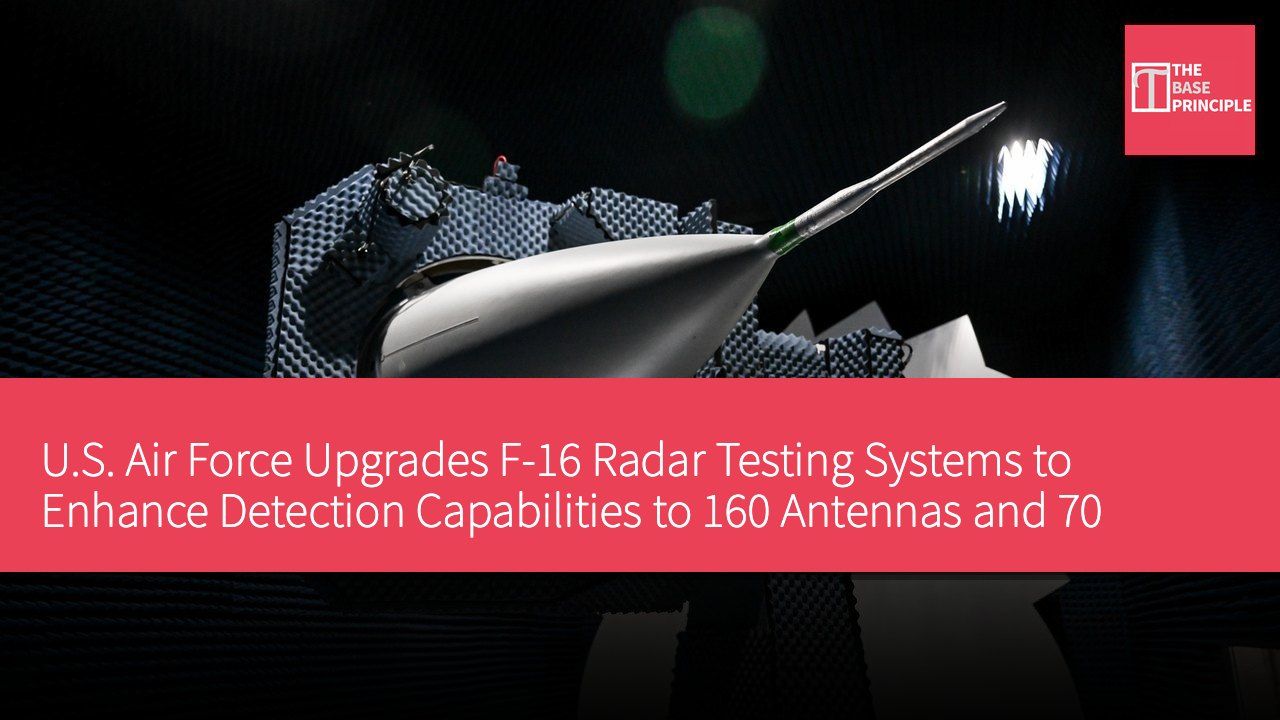
- Hill Air Force Base upgrades F-16 radar testing systems to improve detection capabilities.
- The upgrade helps address a surge in workload, supporting various maintenance tasks.
- Radomes are critical components that protect antennas and affect radar performance.
- The F-16 maintenance center's testing ensures radar components operate as designed.
Hill Air Force Base has upgraded two testing systems used for inspecting F-16 radar components to enhance the capabilities of its maintenance center. This upgrade aids the 523rd Electronic Maintenance Squadron's radio frequency section in inspecting antennas and radomes, enabling a swift response to urgent requests from the field. The section tests approximately 160 antennas and 70 radomes each year. The squadron is the sole source for F-16 radar antenna repairs and radome adjustments, according to Kelly Cyrus, the avionics section chief.
Upgrading Testing Systems to Meet Demand
This upgrade replaces outdated testing equipment and increases the department's capacity, helping it cope with the surge in workload. The squadron also supports various maintenance tasks for the F-16, extending beyond radar repairs.
The Critical Role of Radomes
The importance of radomes lies in the fact that the F-16's fire control radar sends and receives signals through the radome, which is a protective cone covering the aircraft's front antenna. If any part fails, the radar may lose detection and tracking range, display erroneous return signals, or misplace targets. These components work together to provide accurate radar imagery that pilots rely on to detect, track, and counter threats. Cyrus points out that a radome is not just a layer of fiberglass covering; it is a highly engineered electromagnetic window. Minor defects, such as moisture ingress, micro-cracks, delamination of composite layers, or improper paint thickness, can refract or absorb radar waves like a dirty lens.
Since the antennas are located directly behind the radome, Cyrus emphasizes that these two systems must work together in "perfect electromagnetic coordination."
Operation Process of the Inspection Systems
Two stations, two checks: The Radome Electrical Testing System (NRETS) shows whether the radome weakens or distorts radar signals. These failures can make it harder for pilots to maintain tracking, lock onto targets, or accurately use radar-guided weapons. The Fire Control Radar Antenna Testing System (FCRATS) checks the accuracy of the antenna's beam direction. It also measures the antenna's radiation pattern, side lobe levels, and the ability to transmit and receive signals. Both systems operate within sound-absorbing foam enclosures that absorb stray radio frequency energy. Before a radome reaches NRETS, it may undergo robotic coating removal, structural repairs, resurfacing, and precision painting.
The antennas follow a different process: technicians diagnose and repair each antenna, validate it at a dedicated station, and then complete the final FCRATS testing.
Preparedness After More Than Forty Years: As the F-16 has been in service with the Air Force for over forty years, this fleet still relies on the testing from these maintenance centers to verify that repaired radar components operate as designed. Upgrades to radar hardware are also underway, with previous reports indicating that Northrop Grumman's F-16 AESA radar contract is valued at over $1.68 billion. Squadron Director Dan Malcolm stated that "unmatched craftsmanship" combined with "modernized testing systems" ensures that every recovered radome and antenna provides the radar imagery required by pilots.
The Importance and Challenges of F-16 Radar Maintenance
With the F-16 in service for over forty years, the testing systems at the maintenance center are crucial for ensuring the reliability of radar components. The inspection of radomes and antennas not only affects pilot operations but also the overall success of missions. As technology advances, modernized testing systems can more effectively address the growing workload, which is vital for maintaining the Air Force's combat readiness. The upgraded testing equipment not only increases capacity but also ensures the precision of radar systems, reflecting the ongoing demand for advancements in military technology.