
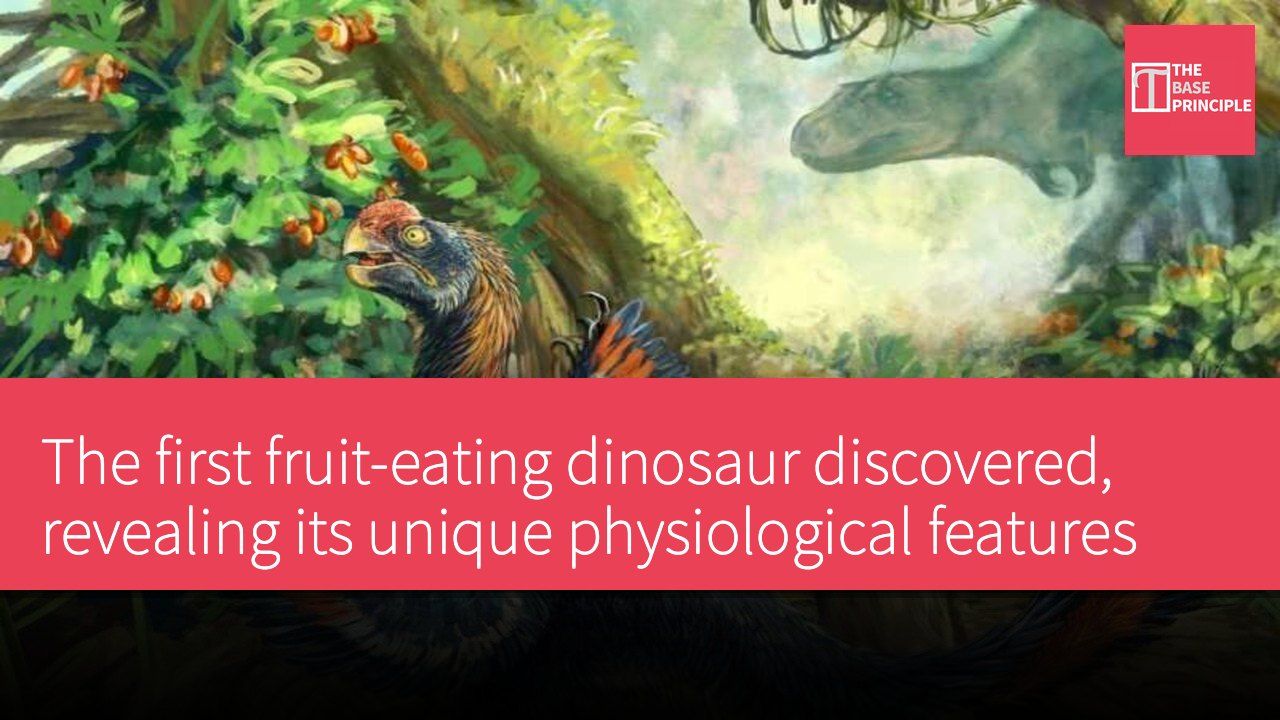
- Researchers have discovered the first fruit-eating dinosaur, named "Infernogallus."
- This dinosaur has a unique jaw structure capable of processing soft food.
- Studies indicate that the dinosaur's diet primarily consisted of fleshy fruits from flowering plants.
- This discovery aids in understanding the relationship between dinosaur evolution and the spread of flowering plants.
Paleontologists have identified the first dinosaur known to consume fruit, characterized as "stranger than expected." This recently discovered frugivorous dinosaur is about the size of a turkey and possesses a "peculiar anatomical structure," prompting researchers to take notice when they found a special specimen. The research provides some of the most compelling evidence that certain dinosaurs developed specialized diets related to flowering plants, a notion previously considered nearly impossible. While it was known that dinosaurs evolved various roles within the Cretaceous ecosystem, the discovery of a fruit-eating dinosaur was unexpected.
Researchers from Stony Brook University, the Royal Ontario Museum, and the North Dakota Geological Survey discovered these fossils in the Hell Creek Formation, leading them to name the dinosaur "Infernogallus." They found the specimen to be nearly complete, featuring an articulated skull and partial skeleton, which is currently on display at the Royal Ontario Museum in Toronto. According to the study, this skull represents the first nearly complete articulated skull known in this group. Infernogallus is a toothless, feathered dinosaur belonging to a family called caenagnathids, which evolved from carnivorous ancestors.
The specimen weighs approximately 25 pounds and has an unusual jaw muscle reconstructed through CT scans. The jaw moves back and forth rather than vertically, allowing it to process soft food, similar to modern frugivorous parrots, including carrion parrots.
Unique Feeding Adaptations
Thomas D. D. Chudleigh, a postdoctoral researcher at the Royal Ontario Museum and co-author of the study, stated, "It is quite rare for animals to specialize in a fruit-based diet, so when this occurs, it must be accompanied by some significant adaptations." He added, "...we quickly realized we were dealing with something special." The research indicates that this dinosaur was capable of crushing drupes, separating the fleshy and apparently fibrous parts from the seeds. Researchers concluded that the dinosaur's diet primarily consisted of fleshy fruits from flowering plants, known as angiosperms.
However, these findings are based on cranial anatomy and reconstructed feeding mechanisms, rather than stomach contents.
The Relationship Between Dinosaurs and Flowering Plants
This discovery may help researchers better understand the relationship between dinosaur evolution and the spread of flowering plants during the Cretaceous period. According to the study, scientists have long recognized the connection between the diversification of herbivorous dinosaurs and the rise of flowering plants during this time, but the evolutionary development link between the two remains elusive. Researchers suggest that as fleshy fruits became larger and more diverse, caenagnathids evolved these feeding adaptations. The study also posits that these frugivorous dinosaurs may have contributed to seed dispersal, although the extent of this remains unproven.
David Evans, the curator of natural history at the Royal Ontario Museum and a senior author of the study, stated, "Complete remains of small dinosaurs like Infernogallus are extremely rare in the fossil record. The peculiar skull of Infernogallus is an exciting discovery because it reveals astonishing insights into dinosaur evolution and feeding specialization." He remarked, "This discovery shows that we still have much to learn about the world of Tyrannosaurus and the broader knowledge of dinosaurs." According to the study, these findings provide new evidence regarding the specialized feeding behaviors of small dinosaurs at the end of the Cretaceous.
These results have been published in the journal Nature Communications.
The Discovery and Evolutionary Significance of Frugivorous Dinosaurs
This discovery not only reveals the existence of frugivorous dinosaurs but also highlights the dietary diversity of dinosaurs during the Cretaceous period. The adaptations for fruit consumption may be closely related to the rise of flowering plants, demonstrating the interconnections within ecosystems. These research findings help scientists gain deeper insights into the evolutionary processes of dinosaurs and their roles within ecosystems, potentially altering our understanding of dinosaur dietary behaviors.