
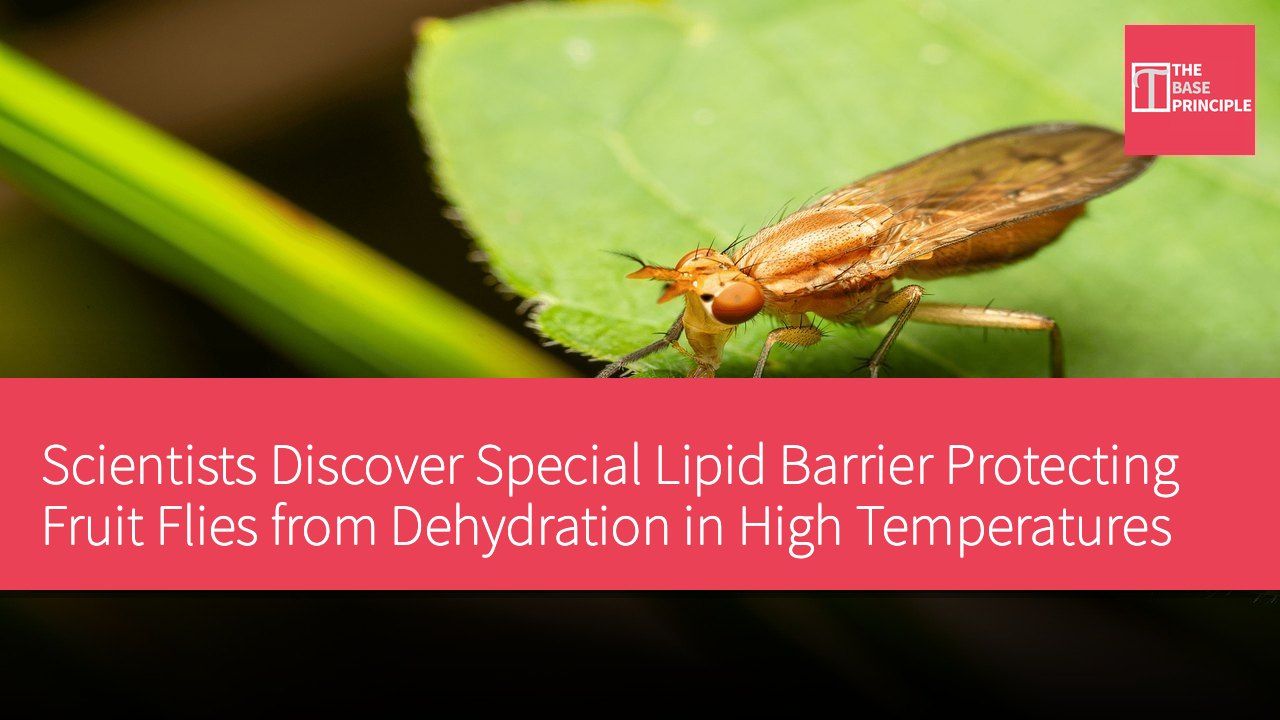
- Scientists have discovered that fruit flies possess a special lipid barrier that can withstand dehydration from high temperatures.
- Alcohol cells in the larvae produce ultra-long hydrocarbon molecules, which are stored in fat bodies.
- The research indicates that climate change may impact the survival of fruit flies.
- Insects play a crucial role in crop pollination, making their adaptability a matter of concern.
As global temperatures rise, scientists have identified a special lipid barrier that effectively protects developing fruit flies from the effects of dehydration. This discovery may help explain how insects adapt to changing temperatures. Fruit flies (Drosophila) begin life in the larval stage, primarily feeding on decaying fruit before undergoing metamorphosis. Before maturing into adults, they move to drier environments and enter the pupal stage, during which they undergo metamorphosis. According to a team from the Francis Crick Institute, adult fruit flies have a hydrophobic lipid coating made up of long-chain hydrocarbon molecules that effectively prevents moisture loss.
Prior to this, researchers were unclear about how pupae resist dehydration.
Protective Mechanism of Fruit Flies
To investigate this protective mechanism, the research team adapted analytical methods used in the oil industry and combined them with molecular imaging techniques. Researchers found that no visible hydrocarbon molecules were detected on the exterior of the pupae, specifically on the epidermis. Instead, this protective barrier is located on the inner side of the epidermis and contains ultra-long hydrocarbon molecules, which are significantly longer than those typically found on mature adults. The study also discovered that before metamorphosis, special cells in the larvae—oenocytes—produce these hydrocarbon molecules, which are stored in the larvae's fat bodies until needed during the transition to the pupal stage.
Clare Newell, co-first author and lead laboratory researcher at the institute, noted that the stationary pupal stage is particularly vulnerable, as it cannot move to cooler or less dry environments. "It is fascinating that the larvae prepare for this challenge before metamorphosis by establishing a resource of ultra-long hydrocarbons. Utilizing techniques typically used outside of biology helped us uncover many hidden secrets of the metamorphosis process," she added. In the study, they found that "a key enzyme ensures the development of a specific lipid barrier in the pupae, protecting it from moisture loss under high temperature and arid conditions."
Impact of Climate Change
Researchers pointed out that fruit flies can only survive within specific environmental limits, and studying this enzyme helps define those boundaries. According to the research, longer hydrocarbon molecules are associated with greater resistance to dehydration, while shorter hydrocarbon molecules are more volatile and serve as chemical signals in the air.
The researchers examined six species of fruit flies and found that five typically switch to shorter hydrocarbon molecules during the maturation process. However, the desert species Drosophila mojavensis retains ultra-long hydrocarbon molecules even in the adult stage. The authors of the study suggest that maintaining these longer molecules may reflect the importance of resisting dehydration in arid environments, which could aid in survival under extreme conditions. They noted that the lipid barrier protecting Drosophila melanogaster during metamorphosis cannot prevent lethal dehydration when high temperatures and low humidity occur simultaneously, raising concerns about the potential impact of climate change on these insects.
According to the study, "These humidity and temperature values exist in many regions of our planet, so given the rapid pace of climate change, D. melanogaster and some other species may struggle to adapt quickly enough to survive within their current geographical range." Alex Gould, head of the Physiology and Metabolism group at the Crick Institute, emphasized the importance of understanding insect survival capabilities under changing environmental conditions. "Insects are crucial to life on Earth, pollinating three-quarters of global crops. In the context of anthropogenic climate change, understanding how insects adapt to drought and rising temperatures is vital."
“We hope that this research on fruit flies will inspire similar studies on other insect species that play important roles in our food chain,” Gould added. The findings of this study were recently published in the journal Science Advances.
Importance of Fruit Fly Adaptability to Ecosystems
The special lipid barrier of fruit flies demonstrates the adaptability of insects in the face of environmental challenges. This study not only reveals how fruit flies survive in high temperatures and drought but also highlights the potential threats posed by climate change to their survival. Insects play a critical role in ecosystems, especially in crop pollination. As global climate change intensifies, understanding the adaptive mechanisms of these organisms will be crucial for protecting ecological balance and agricultural production.