
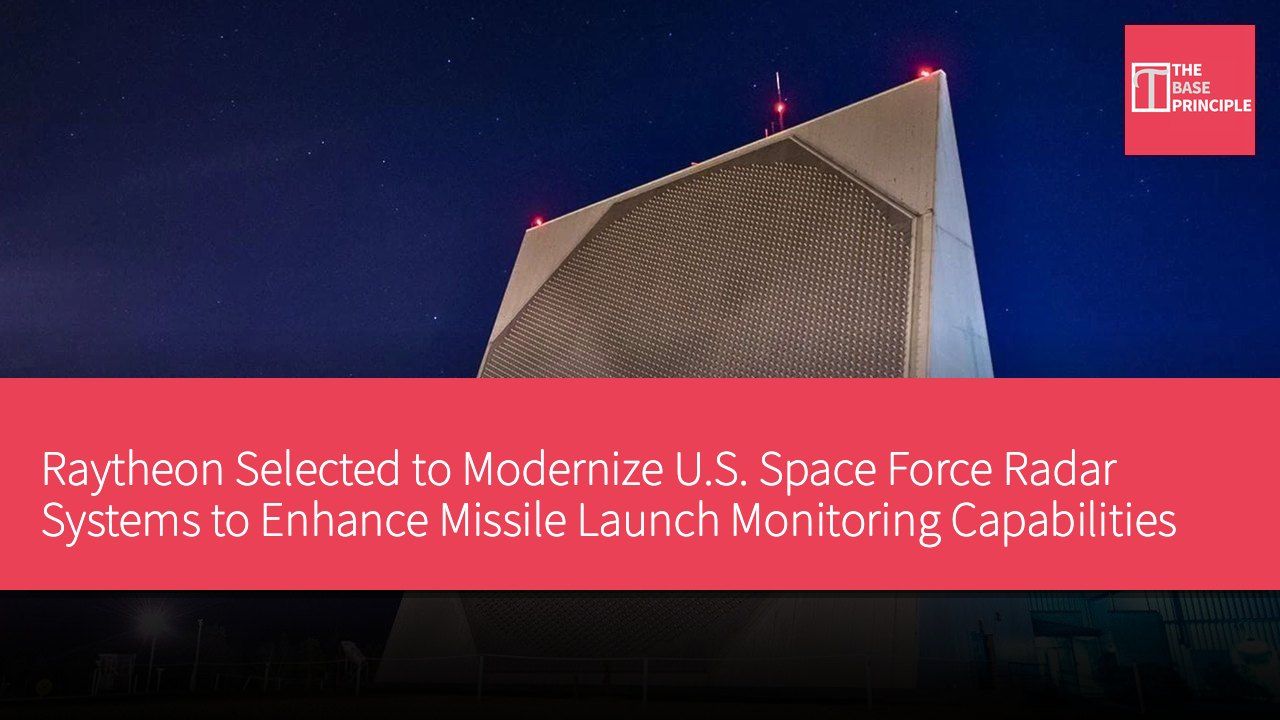
- Raytheon is responsible for upgrading the U.S. Space Force's long-standing radar stations.
- The upgrade plan aims to enhance detection performance, reliability, and service life.
- Raytheon will develop a common open architecture to improve maintenance efficiency and reduce dependency.
- The success of the program depends on maintaining system reliability and delivering new capabilities.
Raytheon, a subsidiary of RTX, has been selected to upgrade the U.S. Space Force's long-standing radar stations, which have been used to detect missile launches and monitor space objects. The digital upgrades aim to enhance detection performance, reliability, and service life. The program was announced on October 15 and is named the Ground-Based Radar Digitalization (GBRD) program, which will upgrade existing systems rather than completely replace the radar network, while establishing a common technical architecture for future improvements. These radars serve as an early warning layer in the U.S. missile defense architecture, providing launch and tracking information from space.
Raytheon plans to deliver prototype solutions before broader deployment.
Goals of the Radar System Upgrade
According to Raytheon's announcement, these upgrades aim to enhance situational awareness in space and support a more resilient, layered security architecture. Raytheon will collaborate with the Space Force and other industry partners to develop a common open architecture for the radar suite. This architecture is designed to improve maintenance efficiency, reduce reliance on single vendors, and simplify future performance upgrades. The shared technical baseline will also facilitate the introduction of new capabilities across multiple sites without the need for separate approaches for each radar. According to reports from Defense War Room regarding the prototype awarded in July, this broader plan encompasses eight ground radars, including five upgraded early warning radars, the Perimeter Acquisition Radar Characterization System (PARCS), the Cobra Dane radar in Alaska, and the Eglin C-6 radar in Florida.
These systems differ in mission and configuration but all play a crucial role in missile warning or space surveillance.
Flexibility of the Open Architecture
Rayton's approach employs a rapid development process to establish the technical baseline for the GBRD suite before deploying the technology more broadly. The company stated that prototype solutions will be prioritized, followed by rapid deployment at the remaining locations. The announcement did not specify which radar stations would receive the initial prototypes or provide a timeline for completing the work. The prototype phase is critical, as the program must modernize based on existing infrastructure while maintaining the capabilities relied upon by military operators. Upgrading long-standing systems also provides opportunities to replace aging components and streamline future maintenance and software changes.
The Space Force has viewed digitalization as a part of improving the performance and maintainability of its ground radar network.
The open architecture approach of the program aims to make those systems more flexible as operational requirements evolve. Raytheon's announcement on October 15 did not disclose the value of the award, the specific sites involved, or the completion dates for the prototypes and subsequent deployments. However, the Space Force awarded Raytheon a prototype agreement valued at approximately $309.5 million in July 2026 as part of the broader digitalization program agreement. This figure relates to the earlier prototype award rather than the new contract value disclosed in Raytheon's latest announcement. This modernization effort aims to ensure that radar stations continue to provide missile launch warning and space monitoring data for decades, with success depending on delivering new digital capabilities while maintaining system reliability.
Long-Term Impact of Raytheon's Upgrade Plan
Raytheon's upgrade plan is not only a modernization of existing radar systems but also an enhancement of the overall defensive capabilities of the U.S. Space Force. By adopting a common open architecture, this plan will make the systems more flexible in response to future operational requirements and improve maintenance efficiency. As the global security landscape evolves, the ability for space monitoring and missile warning becomes increasingly important, and this upgrade will ensure the United States remains competitive and capable in the space domain.