
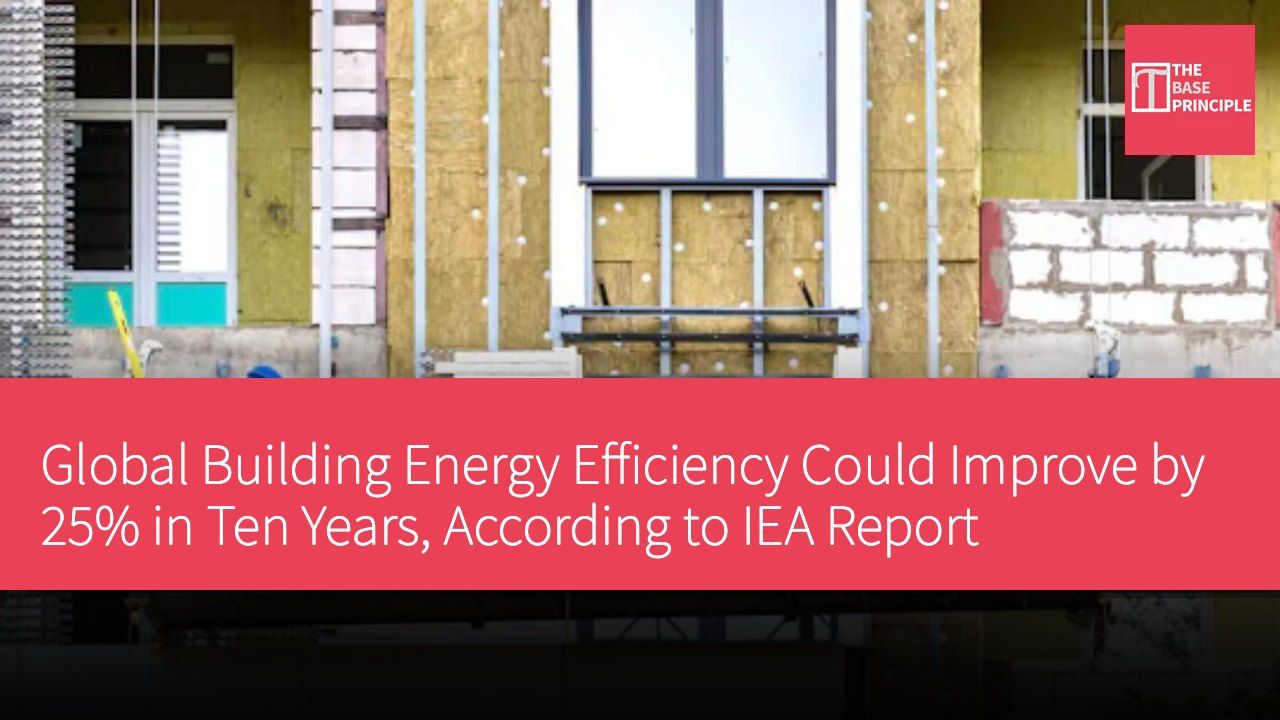
- Global buildings are expected to significantly improve energy efficiency within the next decade.
- IEA identifies four main intervention points to accelerate efficiency improvements.
- The building sector emits 2.8 gigatons of carbon dioxide annually, accounting for about 30% of global final energy consumption.
- Governments need to strengthen the enforcement of building energy standards to ensure long-term benefits.
According to a report by the International Energy Agency (IEA), global buildings are expected to significantly improve energy efficiency over the next decade. Achieving this goal requires households and businesses worldwide to meet efficiency targets in reducing carbon emissions, lowering utility costs, and enhancing energy security. This special report was prepared at the request of Turkey and Australia, based on the strategic partnership of the COP31 presidency, aiming to assess a proposal to improve the energy intensity of the global building sector by at least 25% before 2035. The IEA believes this target is technically achievable through existing policies and technologies, although reaching it will require more than doubling the current annual improvement rate.
IEA Executive Director Fatih Birol stated, "More efficient buildings can lower global emissions while having a tangible impact on people's daily lives. By accelerating progress, we can reduce energy costs and help more people access safe and affordable energy. This report shows that we already have the technologies and policy tools to achieve these benefits. The immediate priority is to put these tools into practice."
IEA's Proposed Efficiency Improvement Intervention Points
IEA's analysis identifies four main intervention points to accelerate efficiency improvements: enhancing building envelopes, achieving electrification of end-use electricity, improving equipment efficiency, and expanding access to clean cooking solutions. In the IEA's pathway, efficient equipment is the largest contributor, accounting for 40% of the total energy intensity reduction. Expanding access to clean cooking solutions contributes an additional 25%, primarily by replacing traditional high-energy-consuming biomass use with clean alternatives. Upgrading building envelopes with high-performance insulation materials and advanced glazing technologies accounts for 20%, while direct electrification, including residential heat pumps, contributes up to 15%.
By integrating these four measures, the energy intensity of the building sector could still be reduced by over 25% before 2035, even in the context of increased heating, cooling, and electricity demand due to global income and population growth. The sector's direct carbon dioxide emissions could also decrease by nearly 40%.
The Role of the Building Sector in Carbon Reduction
The building sector plays a critical role in international carbon reduction efforts. Currently, the sector emits 2.8 gigatons of direct carbon dioxide annually and consumes about 30% of global final energy, nearly half of global electricity consumption. The IEA's roadmap aligns with commitments made at the COP28 meeting in Dubai to double the global energy efficiency improvement rate by 2030, and the goal discussed at COP31 is to increase the share of electricity in total final energy consumption to 35% by 2035.
Due to the long lifespan of buildings, current choices made in their design and regulations will impact energy consumption for decades to come. To ensure these long-term benefits, governments must strengthen the enforcement of building energy standards, promote the retrofitting of older buildings, and raise minimum energy performance standards.
The Urgency of Improving Building Energy Efficiency
The building sector occupies a significant position in global energy consumption, and improving its energy efficiency can not only reduce carbon emissions but also lower energy costs and enhance quality of life. The four intervention points proposed by the IEA address the main sources of energy consumption in current buildings and provide specific improvement solutions. As global emphasis on carbon reduction intensifies, implementing these measures will become a top priority for governments, ensuring that future building designs support sustainable development and minimize environmental impact.