
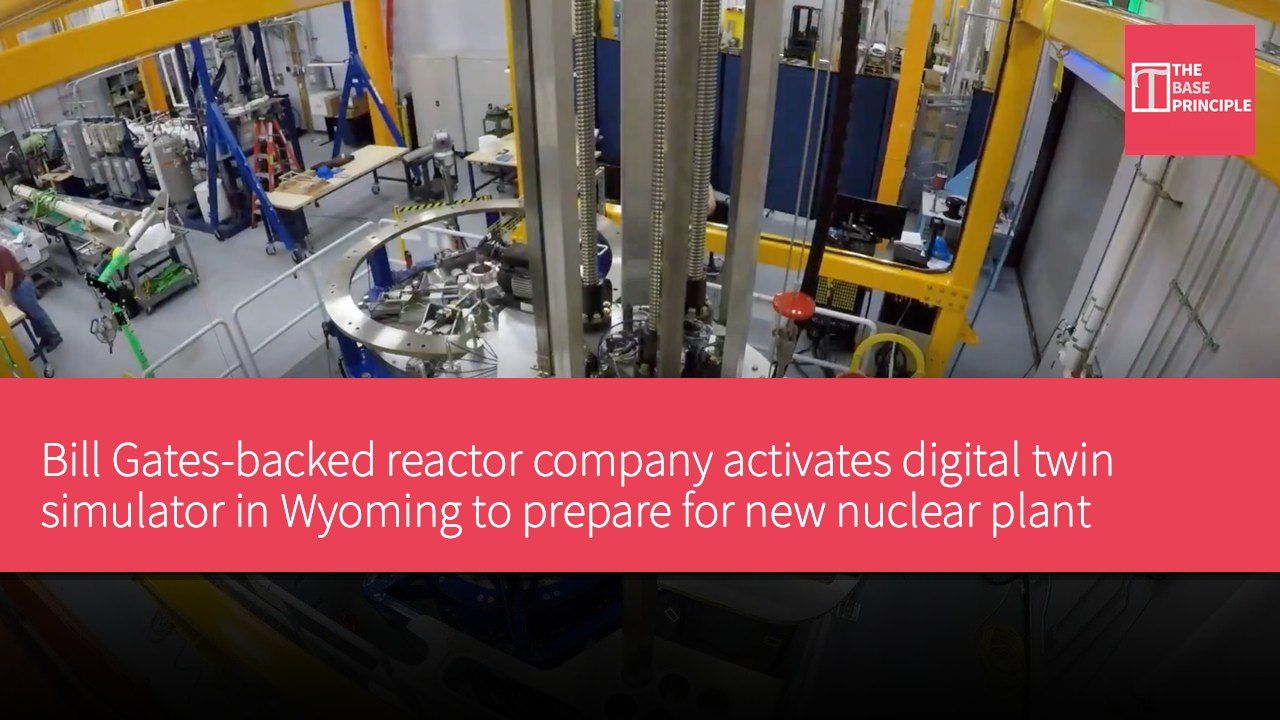
- A full-scale digital simulator has been installed in Wyoming to train nuclear plant operators.
- The simulator uses 3KEYMASTER software to simulate physical phenomena in real time.
- The Natrium design employs liquid sodium for cooling, differing from traditional nuclear plants.
- The new simulator helps operators master the operation of liquid metal and thermal storage systems.
Engineers in Wyoming have installed a full-scale digital simulator to train operators for the next generation of nuclear power plants. The equipment has arrived at the construction site of the Natrium reactor, supported by Bill Gates' TerraPower. Built by Curtiss-Wright, the system serves as an accurate digital twin of the future facility, allowing technicians to engage with the plant's control systems for the first time before the reactor goes online in 2030. Early training for operators is a key challenge for any non-traditional nuclear design.
Simulator Features and Operations
The simulator operates on a software engine called 3KEYMASTER, capable of real-time simulation of physical phenomena, calculating fluid circulation, temperature changes, and the behavior of the core during unexpected shutdowns. Operators can conduct emergency drills, test automatic safety measures, and log the hours required to obtain federal operating permits.
At the same time, the system also serves as a testing platform for engineers. Curtiss-Wright is also constructing the physical brain of the plant—its distributed control system and automated reactor protection system. By running these control programs in the simulator, technicians can identify software bugs and validate hardware responses years before fuel loading. Unlike standard reactors, the operation of this facility differs from most nuclear plants in the U.S. Most nuclear plants use light water under high pressure to cool their cores, while the Natrium design uses liquid sodium.
Liquid sodium can effectively transfer heat while remaining liquid at extremely high temperatures. With a boiling point close to 900°C, the system operates at near atmospheric pressure, eliminating the need for the large, thick-walled containment domes required by traditional nuclear power plants.
Innovations in the Natrium Design
This design also breaks from tradition by separating electricity generation from nuclear heat production. The heat generated by the reactor supports a baseline power output of 345 megawatts, transferring thermal energy through a molten salt storage system. When grid demand is low, the reactor operates at full power, while excess heat is stored in thermal salt tanks. When local demand surges, operators can extract this stored heat to generate additional steam. This system can boost power output to 500 megawatts for over five hours without altering the reactor core's baseline output.
Managing this design requires operators to master two independent disciplines simultaneously. They must monitor the hydraulic of the liquid metal in the core while operating the rapidly responding thermal storage system. The newly installed simulator enables them to practice balancing these heat transfers without compromising reactor stability. The Kemmerer unit is being built under the U.S. Department of Energy's Advanced Reactor Demonstration Program. If the site proves viable, TerraPower plans to leverage this operational model for a commercial fleet nationwide. TerraPower's Vice President of Plant Operations, George Piccard, summarized, "Building the world's most advanced reactor requires equally advanced operator training methods."
By partnering with Curtiss-Wright to deliver the Natrium training simulator, we are laying the groundwork for developing qualified nuclear power personnel at every future Natrium plant and ensuring our operators are fully prepared before the plant goes online."
The Importance of Digital Twin Technology in Nuclear Training
The introduction of digital twin technology is crucial for training operators at nuclear power plants, especially in the operation of new reactor designs. Through the simulator, operators can conduct emergency drills and tests in a safe environment, which not only enhances their practical skills but also helps identify potential software bugs early. As nuclear technology advances, this sophisticated training method will become a key factor in ensuring the safe operation of nuclear power plants and may facilitate the expansion of new nuclear facilities nationwide.